

Journal
Paro Tshechu 2027, without the crowd in your way
Paro Tshechu is set for 18 to 22 March 2027 at Rinpung Dzong, the fortress above the Paro river. The dates come from the tentative 2027 calendar published by the Department of Tourism and the Association of Bhutanese Tour Operators. Tshechus follow the lunar calendar, so the dates are confirmed later. Treat them as firm enough to plan around and loose enough that flights stay changeable.
WhatsApp+975 17 40 05 49At a glance
| Festival | Paro Tshechu |
|---|---|
| Dates | 18 to 22 March 2027 (tentative, lunar calendar) |
| Place | Rinpung Dzong, Paro |
| Thongdrel | final morning before sunrise |
| Nearby same week | Talo, Gasa and Zhemgang Tshechu, 16 to 18 March 2027 (tentative) |
The festival is a religious event first. Monks and lay dancers perform the cham, the masked dances, over several days in the dzong courtyard. Families come from across the valley in their finest gho and kira. On the final morning, before sunrise, a giant thangka called the thongdrel is unrolled on the dzong wall. Seeing it is held to bring blessing. It is taken down as the sun reaches it.
That last morning is also the busiest hour of the year in Paro. Here is how we would plan it for a guest who wants the festival and not the scrum.
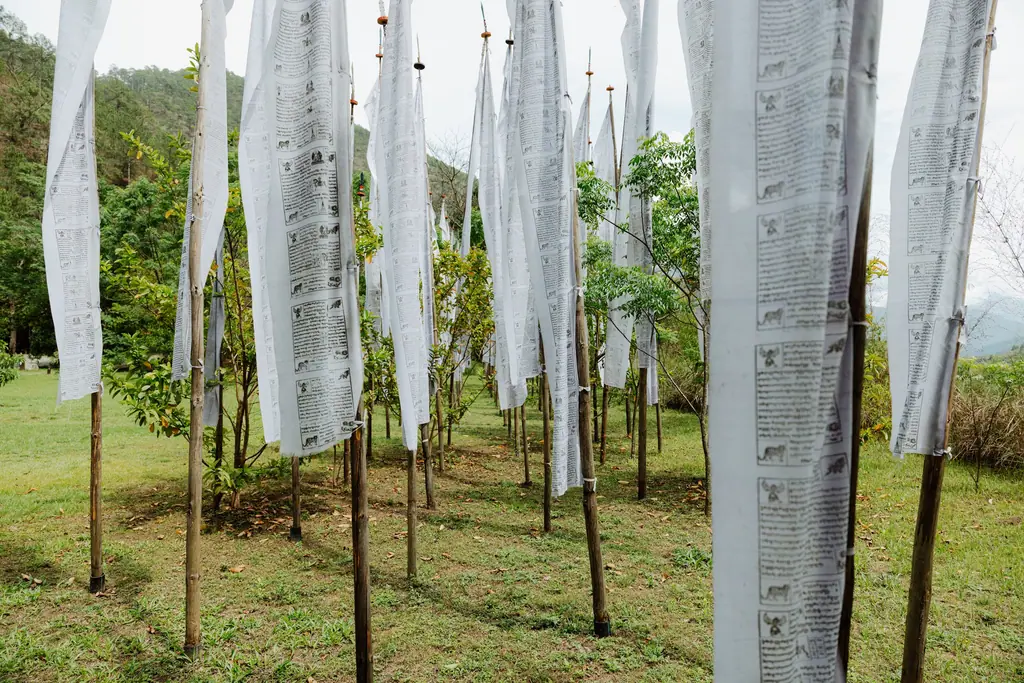
Arrive before you need to
Fly into Paro two or three days before the final day. The altitude is about 2,200 metres, and the first night is often short on sleep. The days before the thongdrel are the gentle ones: the dances run, the courtyard is full but not packed, and you can sit for an hour without anyone asking you to move.
Watch one day, not five
Nobody needs all five days. One long morning in the courtyard, with a guide who can tell you which dance is being performed and why, gives you more than a week of half-attention. The rest of the time belongs to the valley.
The thongdrel at dawn
If you want to see it, your guide will collect you in the dark. You walk up with the families, find a place, and wait. It is cold. It is worth it. If a 4 a.m. start is not what you came for, say so. Missing it is a reasonable choice, and the dances later that day are still there.
The same week, elsewhere
Three smaller festivals fall on 16 to 18 March 2027 on the same tentative calendar: Talo Tshechu in Punakha, Gasa Tshechu and Zhemgang Tshechu. Talo sits in a village above the Punakha valley and draws mostly local families. For a guest who wants the feeling of a tshechu without the scale of Paro, a day at Talo and then Paro for the final morning is one way to shape the week.
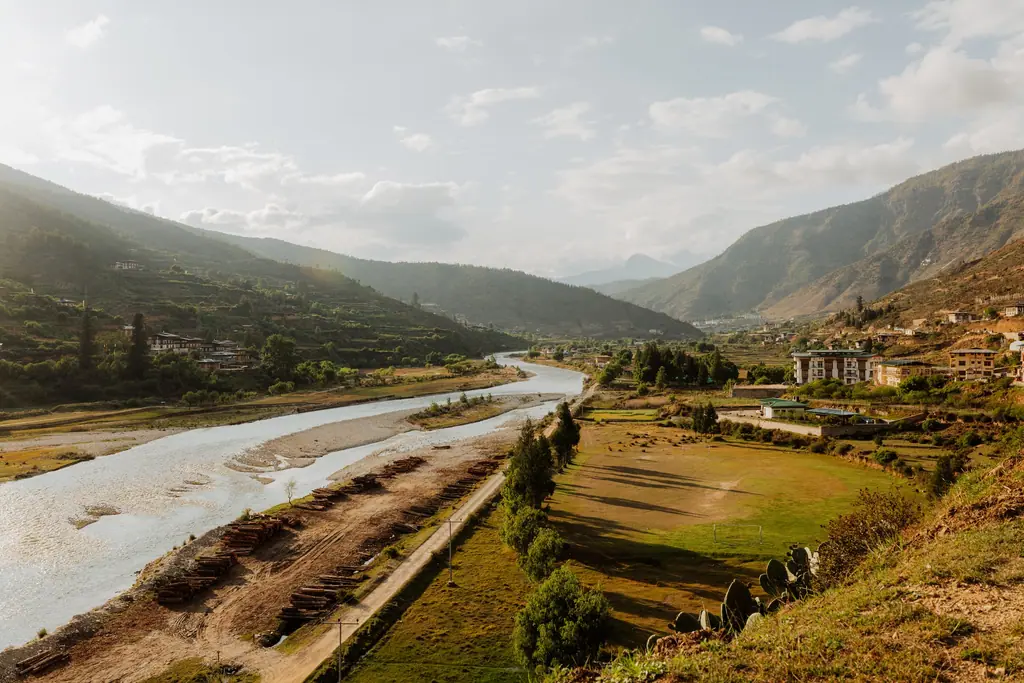
What to wear and how to behave
Inside a dzong, cover shoulders and knees. No hats, no shorts. Photography of the dances is generally accepted from the courtyard edge; inside temples it is not. Stand back from the dancers' path. When the clowns, the atsaras, come over to tease you, laugh. That is their job.
Rooms
Paro's best rooms go first for this week, because every operator in the country knows the dates. If you are thinking of March 2027, write early and ask for the lodge you want, then a second choice.
The fee
For US dollar paying visitors, the Department of Immigration lists the Sustainable Development Fee at USD 100 per person per night until 31 August 2027. It applies to festival dates in the same way as any other night.
If you would like Paro Tshechu shaped around you rather than the other way round, write to us. We reply within a day.
Paro, Thimphu and PunakhaHow a day is paced
Sources
Questions
When is Paro Tshechu 2027?
Paro Tshechu is set for 18 to 22 March 2027 at Rinpung Dzong, the fortress above the Paro river. The dates come from the tentative 2027 calendar published by the Department of Tourism and the Association of Bhutanese Tour Operators. Tshechus follow the lunar calendar, so the dates are confirmed later. Treat them as firm enough to plan around and loose enough that flights stay changeable.
What is the thongdrel and when is it shown?
On the final morning, before sunrise, a giant thangka called the thongdrel is unrolled on the dzong wall. Seeing it is held to bring blessing. It is taken down as the sun reaches it.
Do I need to attend all five days?
Nobody needs all five days. One long morning in the courtyard, with a guide who can tell you which dance is being performed and why, gives you more than a week of half-attention. The rest of the time belongs to the valley.
What should I wear to a tshechu?
Inside a dzong, cover shoulders and knees. No hats, no shorts.